
Industry Insights
Edible Packaging Material UK
May
The packaging industry in the UK is changing quickly. Businesses and consumers are both looking for smarter and more sustainable alternatives to plastic packaging. One of the biggest innovations leading this shift is edible packaging material. From takeaway food wraps to drink capsules and snack coatings, edible packaging is becoming a serious solution for brands that want to reduce waste while improving customer experience.
For food businesses, eco-conscious startups, and retailers, edible packaging is not just a trend anymore. It is becoming part of a larger movement toward sustainable and customised food packaging solutions. Companies like custom boxes UK are already helping businesses explore environmentally responsible packaging choices that support both branding and sustainability goals.
Edible packaging materials are designed to be safe for human consumption while also protecting food products during storage, transport, and display. These materials can replace plastic films, wrappers, sachets, and even containers in some cases.
If your business operates in food retail, takeaway services, cafés, bakeries, or eCommerce, understanding edible packaging could help you stay ahead in the UK market.
What Is Edible Packaging Material?
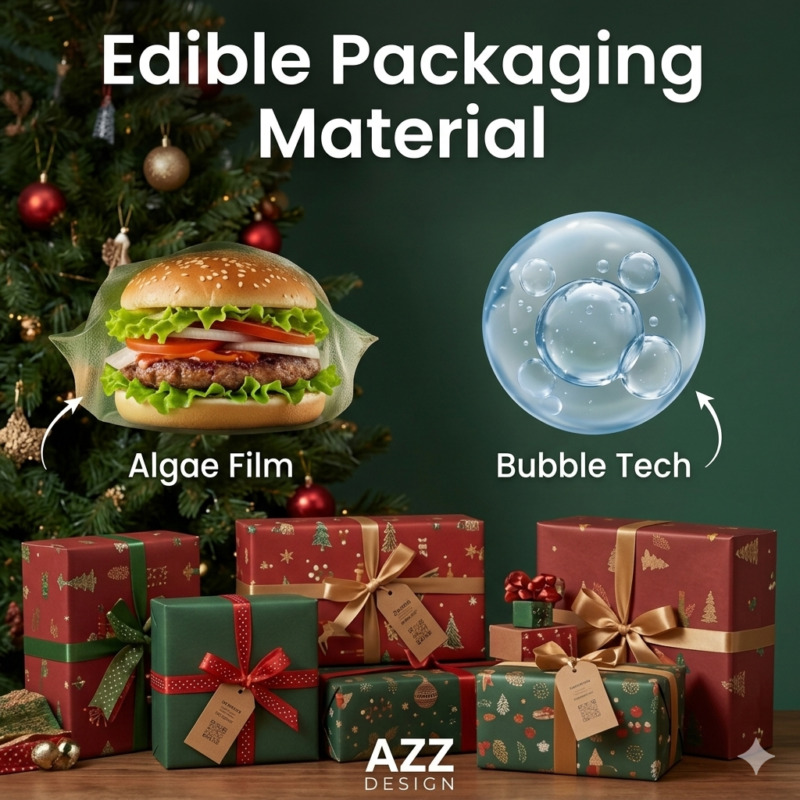
Edible packaging material refers to packaging made from natural ingredients that can safely be eaten along with the food product. Unlike traditional plastic or synthetic packaging, edible packaging decomposes naturally and often leaves zero waste behind.
These materials are usually made from:
- Seaweed extracts
- Rice paper
- Potato starch
- Gelatine
- Corn starch
- Milk proteins
- Plant fibres
- Fruit pulp
The idea is simple. Instead of throwing packaging away, consumers can either eat it or compost it easily.
Many UK food brands are combining edible packaging with custom packaging boxes UK to create premium sustainable packaging experiences for customers.
Why Edible Packaging Is Growing in the UK
The UK government and consumers are placing increasing pressure on businesses to reduce plastic waste. Single-use plastics are becoming less acceptable, especially in food and beverage industries.
Edible packaging offers several advantages:
| Benefit | Explanation |
|---|---|
| Reduced Waste | Minimises landfill and ocean pollution |
| Eco-Friendly Branding | Helps brands appeal to environmentally aware customers |
| Unique Customer Experience | Creates memorable packaging interactions |
| Biodegradable | Breaks down naturally if not consumed |
| Food Safe | Made using edible-grade ingredients |
Businesses searching for sustainable bespoke packaging UK solutions are increasingly considering edible packaging alongside recyclable cardboard and corrugated packaging.
Types of Edible Packaging Materials
Different edible materials work better for different food products. Some are ideal for dry foods, while others are designed for liquids or fresh produce.
Seaweed-Based Packaging
Seaweed packaging has become one of the most talked-about innovations in sustainable packaging. It is flexible, biodegradable, and naturally edible.
Seaweed packaging is commonly used for:
- Sauce sachets
- Drink pods
- Snack wraps
- Instant food pouches
It also has a low environmental footprint because seaweed grows quickly without needing fertilisers.
Rice Paper Packaging
Rice paper is widely used in confectionery and bakery products. It is lightweight, edible, and inexpensive.
You often see rice paper used for:
- Sweet wrappers
- Decorative cake packaging
- Edible labels
- Food dividers
Food brands using customised food packaging UK solutions sometimes pair rice paper with outer cardboard sleeves for additional protection.
Starch-Based Films
Corn starch and potato starch are popular choices for edible films because they are affordable and versatile.
These films are suitable for:
- Dry snacks
- Sandwich wraps
- Fast food packaging
- Fresh produce coatings
Restaurants and cafés using custom sandwich paper UK concepts can also integrate starch-based edible wraps to reduce packaging waste.
Gelatine-Based Packaging
Gelatine films are transparent and flexible, making them ideal for coatings and capsules.
Common uses include:
- Pharmaceutical capsules
- Candy wrappers
- Beverage pods
The downside is that gelatine may not suit vegan or vegetarian products.
Comparison of Common Edible Packaging Materials
| Material | Best Use | Biodegradable | Vegan Friendly | Moisture Resistance |
|---|---|---|---|---|
| Seaweed | Liquids & sachets | Yes | Yes | Excellent |
| Rice Paper | Bakery & confectionery | Yes | Yes | Moderate |
| Corn Starch | Snack wraps | Yes | Yes | Good |
| Gelatine | Capsules & films | Yes | No | Good |
| Milk Protein Films | Dairy products | Yes | No | Excellent |
How Edible Packaging Helps Food Businesses
Food businesses in the UK are under pressure to reduce excess packaging while still maintaining hygiene and branding standards.
Edible packaging helps by:
- Reducing disposal costs
- Enhancing eco-friendly brand identity
- Creating innovative customer experiences
- Supporting sustainability regulations
- Lowering environmental impact
Brands using custom packaging Manchester UK solutions often combine edible packaging with recyclable outer packaging for practical shipping and presentation.
Edible Packaging and Branding Opportunities
Packaging is one of the strongest marketing tools for any business. Customers often judge food quality based on packaging appearance and sustainability.
Edible packaging can help businesses stand out because it feels modern and innovative.
Here are a few creative branding opportunities:
Printed Edible Labels
Businesses can use edible inks to print logos, ingredients, or designs directly onto packaging films.
This works especially well for:
- Luxury desserts
- Chocolate brands
- Bakery products
- Event catering
Companies already investing in custom branded gift boxes UK can extend branding further using edible wrapping components.
Sustainable Luxury Packaging
Premium brands are now mixing edible packaging with luxury cardboard presentation boxes.
For example:
- Chocolate bars wrapped in edible film inside rigid gift boxes
- Gourmet tea sachets made from edible starch films
- Eco-friendly confectionery gift packaging
This approach pairs well with luxury gift boxes UK for seasonal campaigns and premium retail collections.
Challenges of Edible Packaging Materials
Even though edible packaging has many advantages, there are still some challenges businesses should understand.
Shelf Life Limitations
Edible materials can be sensitive to moisture, heat, and oxygen exposure.
This means businesses may still need secondary packaging such as:
- Corrugated shipping boxes
- Rigid cartons
- Protective sleeves
Using corrugated box UK packaging helps protect delicate edible packaging during transport and storage.
Production Costs
Edible packaging is still more expensive than conventional plastic packaging in many cases.
Smaller businesses may find large-scale adoption difficult initially.
That said, as demand increases, production costs are expected to decrease across the UK market.
Food Safety Regulations
Food-grade packaging must comply with strict UK regulations regarding:
- Hygiene
- Ingredient safety
- Allergen labelling
- Storage conditions
Businesses should always work with trusted packaging suppliers and food-safe manufacturers.
Edible Packaging vs Traditional Packaging
| Feature | Edible Packaging | Traditional Plastic Packaging |
|---|---|---|
| Waste Reduction | Excellent | Poor |
| Biodegradability | High | Very Low |
| Consumer Appeal | High | Moderate |
| Shelf Life Protection | Moderate | Excellent |
| Sustainability | Strong | Weak |
| Branding Innovation | Excellent | Standard |
The Role of Cardboard and Corrugated Packaging Alongside Edible Packaging
Even if edible packaging becomes more common, outer packaging still matters for transport and retail presentation.
That is why many companies combine edible materials with:
- Recyclable cardboard
- Corrugated cartons
- Rigid boxes
- Kraft packaging
Businesses searching for corrugated cardboard packaging UK solutions often use them as secondary protection for edible products.
For shipping and logistics, sturdy outer packaging remains essential.
Request a Quote
Best Industries for Edible Packaging in the UK
Some industries benefit from edible packaging more than others.
Bakery and Confectionery
Cakes, chocolates, sweets, and pastries work perfectly with edible wrappers and decorative edible films.
Pairing edible packaging with candle boxes UK style premium gift packaging can also enhance luxury food gifting.
Takeaway and Fast Food
Restaurants and cafés are under pressure to reduce single-use packaging waste.
Edible sandwich wraps, edible sauce sachets, and biodegradable food films are becoming attractive alternatives.
Brands exploring custom food package UK options can benefit greatly from this trend.
Beverage Industry
Drink pods and edible capsules are already gaining popularity in sustainable beverage packaging.
Some brands are experimenting with edible water containers made from seaweed membranes.
Event and Promotional Packaging
Events often generate huge packaging waste.
Using edible packaging combined with custom gift packaging UK creates memorable and eco-conscious promotional experiences.
How Small Businesses Can Start Using Edible Packaging
You do not need a massive budget to begin exploring edible packaging options.
Small businesses can start gradually by:
- Using edible labels
- Testing edible wraps for limited products
- Introducing biodegradable coatings
- Combining edible materials with recyclable boxes
Businesses seeking packaging for small businesses UK solutions often begin with hybrid sustainable packaging before fully switching to edible materials.
Combining Edible Packaging With Custom Printed Boxes
Even the most innovative edible packaging still needs attractive external branding.
This is where custom printed packaging becomes valuable.
You can combine edible materials with:
- Kraft mailer boxes
- Luxury rigid boxes
- Folding cartons
- Corrugated shipping boxes
Businesses investing in custom printing boxes UK solutions can maintain strong visual branding while reducing environmental impact.
Packaging Design Tips for Edible Packaging Products
Good design matters just as much as sustainable materials.
Here are a few practical tips:
Keep Messaging Clear
Customers may not immediately realise the packaging is edible.
Use simple instructions like:
- “Edible wrapper”
- “Safe to consume”
- “Compostable if preferred”
Focus on Freshness
Edible packaging often works best with fresh products.
Choose designs that minimise moisture exposure and contamination risks.
Use Protective Outer Packaging
For shipping or retail shelves, combine edible packaging with reliable outer boxes.
Many businesses use custom rigid boxes UK for premium presentation and product protection.
Sustainable Packaging Trends in the UK
Edible packaging is part of a much larger packaging movement happening across the UK.
Popular trends include:
- Plastic-free packaging
- Compostable materials
- Water-based inks
- Minimalist packaging design
- Refillable packaging systems
- Smart eco-packaging
Businesses investing in bespoke packaging Manchester UK solutions are increasingly blending sustainability with premium branding experiences.
Packaging Materials Often Used Alongside Edible Packaging
| Packaging Material | Purpose |
|---|---|
| Corrugated Boxes | Shipping protection |
| Kraft Paper | Eco-friendly wrapping |
| Rigid Boxes | Luxury presentation |
| Cardboard Sleeves | Branding and information |
| Paper Inserts | Product support |
Businesses looking for cardboard UK packaging solutions can easily combine recyclable materials with edible innovations.
Why Customers Prefer Sustainable Packaging
Modern UK consumers are paying attention to packaging waste more than ever before.
People increasingly prefer brands that:
- Use recyclable materials
- Reduce plastic usage
- Offer biodegradable alternatives
- Support environmental responsibility
Edible packaging gives businesses a chance to show real commitment to sustainability rather than simply using eco-friendly marketing language.
This can improve customer trust and long-term brand loyalty.
The Future of Edible Packaging in the UK
Edible packaging is still evolving, but its future looks promising.
As technology improves, we are likely to see:
- Better moisture resistance
- Lower production costs
- More edible packaging formats
- Wider supermarket adoption
- Increased customisation options
Food startups and sustainable brands are already driving demand for innovative custom packaging boxes UK solutions that combine functionality, branding, and environmental responsibility.
Businesses that start adapting early may gain a competitive advantage as sustainable packaging expectations continue to grow across the UK market.
How CustomBoxes Azz Supports Sustainable Packaging
At CustomBoxes Azz, businesses can explore packaging solutions that balance sustainability, branding, durability, and customer experience.
Whether you need:
- custom boxes London
- bespoke food packaging
- luxury presentation boxes
- corrugated packaging
- custom branded gift packaging
- eco-friendly retail boxes
the focus remains on creating packaging that supports modern business needs while aligning with sustainable packaging trends in the UK.
As edible packaging continues to develop, combining innovative food-safe materials with reliable custom packaging solutions will become increasingly valuable for brands of every size.
1. What is edible packaging material and how does it actually work?
Edible packaging material is basically packaging you can safely eat along with the food it protects. Instead of throwing away plastic or paper wraps, the packaging is made from natural ingredients like seaweed, starch, rice paper, or milk proteins. It works by forming a thin, food-safe layer around products such as snacks, desserts, or drinks. You might already see similar ideas in candy films or rice paper wrappers used in sweets. The goal is to reduce waste while still keeping food fresh and protected.
For businesses using custom packaging boxes UK, edible packaging can sit inside a protective outer box for transport and branding. That means your product stays safe while still offering an eco-friendly experience to customers. It’s especially popular in the UK food market where sustainability matters a lot to buyers.
2. Is edible packaging safe to eat for everyone?
Yes, edible packaging is designed to be food-safe and approved for consumption, but it depends on the ingredients used. Most edible packaging is made from things like seaweed extracts, starch, or natural plant fibres, which are safe for most people. However, just like food, some materials may not suit everyone. For example, gelatine-based packaging is not suitable for vegetarians or vegans, so brands usually label it clearly.
If you run a food business using bespoke packaging UK, you should always make ingredient information visible on packaging. Customers appreciate transparency, especially when trying something new. Even though edible packaging is safe, many people still prefer to eat the food and dispose of the wrapper, and that’s completely fine too.
3. What foods work best with edible packaging?
Edible packaging works best with dry snacks, bakery items, sweets, chocolates, and some beverages. You’ll often see it used for things like chocolate coatings, rice paper sweets, and seaweed drink pods. It’s not always suitable for very wet or oily foods unless it has been specially treated for moisture resistance.
Many UK cafés and food brands using custom food package UK solutions combine edible wraps with protective outer packaging. This helps maintain freshness while still giving customers an eco-friendly experience. For takeaway businesses, edible sandwich wraps or snack films can reduce plastic waste significantly while still keeping food presentable and hygienic.
4. How long does edible packaging last before it goes bad?
Edible packaging usually has a shorter shelf life compared to traditional plastic packaging. Depending on the material, it can last anywhere from a few weeks to several months if stored properly. Temperature, humidity, and exposure to air all play a big role in how long it stays stable. For example, starch-based films can soften in humid conditions, while seaweed-based packaging tends to handle moisture better.
That’s why businesses often combine edible packaging with durable outer layers like corrugated cardboard packaging UK. This keeps the edible layer protected during shipping and storage. If you’re running a food brand, you’ll need to carefully balance freshness, packaging type, and storage conditions to get the best results.
5. Can edible packaging replace plastic completely in the UK?
Not quite yet, but it’s moving in that direction for certain products. Edible packaging is great for snacks, confectionery, and short-shelf-life items, but it still struggles with heavy-duty packaging needs like frozen foods or long-distance shipping. Plastic is still more durable in those cases, but the gap is slowly closing as technology improves.
Many UK brands are already blending edible packaging with custom packaging boxes UK to reduce plastic usage while maintaining strength. Instead of replacing everything, businesses are using edible packaging where it makes sense and switching to recyclable materials for the rest. This hybrid approach is currently the most practical solution for most companies.
6. Is edible packaging expensive for small businesses?
At the moment, yes, edible packaging can be more expensive than traditional packaging. The cost comes from specialised ingredients, production processes, and smaller manufacturing scale. However, prices are gradually becoming more competitive as demand increases in the UK market.
Small businesses often start by testing edible packaging in limited product lines rather than switching everything at once. Many also use packaging for small businesses UK strategies to mix edible materials with cost-effective cardboard or kraft packaging. This helps keep budgets under control while still offering customers something unique and eco-friendly. Over time, as production scales up, costs are expected to come down further.
7. How does edible packaging affect branding and customer experience?
Edible packaging can actually make your brand stand out a lot because it feels innovative and memorable. Customers don’t expect to eat packaging, so it naturally creates a “wow” moment. This kind of experience helps people remember your brand and talk about it, especially on social media.
Many businesses combine edible packaging with custom branded gift packaging UK to create a premium look. For example, a chocolate brand might use edible film around the product and place it inside a luxury box. This mix of sustainability and presentation helps you build a stronger brand identity while still keeping packaging practical and protective.
8. What are the main challenges of edible packaging?
Edible packaging is exciting, but it does come with a few challenges. The biggest one is durability. It can react to moisture, heat, or air exposure more easily than traditional packaging. That means it needs careful handling and sometimes extra protection during transport.
Another challenge is storage. Not all warehouses or supply chains are set up for edible materials yet. Businesses using corrugated box UK solutions often rely on strong secondary packaging to protect edible layers. Cost is also a factor, especially for small businesses. But despite these challenges, many brands still see it as a worthwhile investment because of its sustainability benefits and customer appeal.
9. Where is edible packaging used the most in the UK?
Edible packaging is most commonly used in food-related industries. You’ll see it in bakeries, confectionery brands, cafés, catering services, and eco-friendly takeaway businesses. It’s also being tested in beverage packaging and event catering where reducing waste is a big priority.
Businesses using custom packaging boxes London solutions often experiment with edible packaging for premium product lines or seasonal promotions. It’s especially popular in luxury food gifting and eco-conscious brands that want to stand out in a competitive market. While it’s not everywhere yet, its presence in the UK food sector is definitely growing.
10. How can a business start using edible packaging?
The easiest way to start is by testing small. You don’t need to switch your entire packaging system at once. Many businesses begin with edible labels, wrappers, or coatings on specific products. This helps you understand customer reactions and storage needs before scaling up.
You can also combine edible materials with custom packaging boxes UK to keep your branding strong and your products protected. This hybrid approach is common among UK food startups. Start simple, gather feedback, and gradually expand if it fits your product and customer base. Over time, you can build a more sustainable packaging system without risking product quality or delivery issues.
