
Industry Insights
What Is Perforated Packaging in the UK?
May
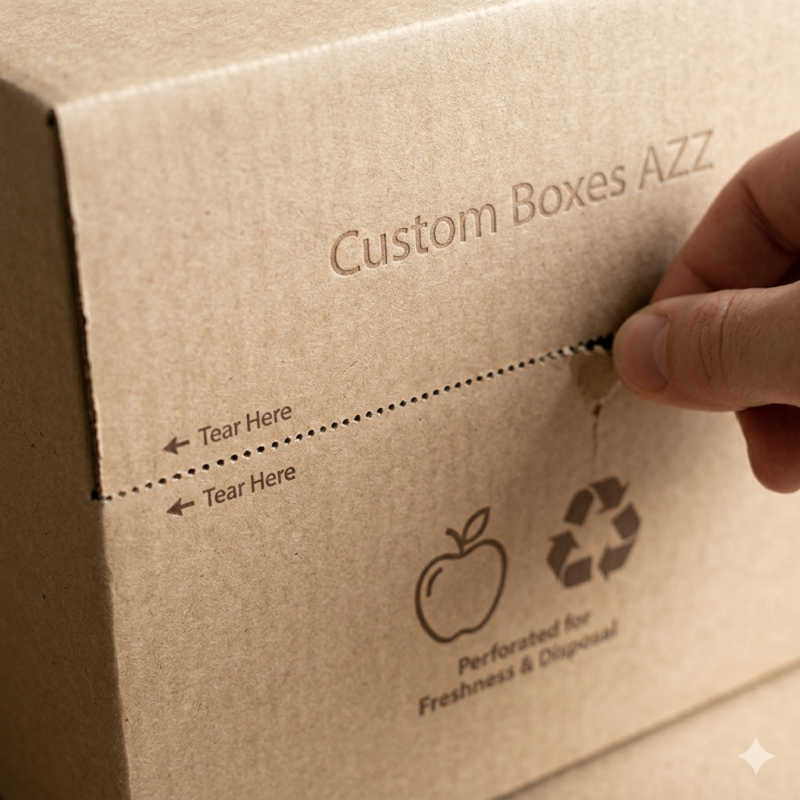
Perforated packaging has become a smart and practical solution for many UK businesses that want packaging which is easy to open, functional, and visually appealing. From retail products and food containers to shipping materials and promotional packaging, perforation adds convenience while improving the customer experience.
If you run an online shop, café, bakery, subscription business, or retail brand, understanding perforated packaging can help you choose better packaging solutions for your products. Many companies now combine perforation with custom packaging boxes UK solutions to create packaging that looks professional and works efficiently.
This guide explains what perforated packaging is, how it works, where it is used, and why businesses across the UK are increasingly choosing it for modern packaging designs.
Understanding Perforated Packaging
Perforated packaging refers to packaging materials that contain small punched holes, cuts, or tear lines designed to make opening, separating, venting, or dispensing easier.
These perforations are carefully engineered so the material stays intact during transport but tears smoothly when needed.
You’ve probably already seen perforated packaging in everyday products such as:
- Tear-strip delivery boxes
- Tissue boxes
- Pizza packaging
- Snack cartons
- Display-ready retail packaging
- Resealable food pouches
- Corrugated shipping boxes
Many businesses using custom boxes UK solutions add perforation features to improve both functionality and branding.
How Perforated Packaging Works
Perforation is created by making a series of tiny holes or cuts in cardboard, paperboard, corrugated sheets, or flexible packaging materials.
These cuts create controlled weak points that allow the packaging to:
- Tear neatly
- Fold easily
- Vent air or moisture
- Open without scissors
- Convert into display packaging
The spacing, depth, and pattern of perforations vary depending on the packaging purpose.
Common Perforation Types
| Perforation Type | Main Use | Common Industries |
|---|---|---|
| Tear Strip | Easy opening | E-commerce, shipping |
| Micro Perforation | Air circulation | Food packaging |
| Punch-Out Perforation | Product displays | Retail |
| Fold Perforation | Easier folding | Gift packaging |
| Window Perforation | Product visibility | Cosmetic and retail packaging |
Businesses investing in bespoke packaging UK often customise these perforation styles according to product size and customer experience goals.
Why Perforated Packaging Is Popular in the UK
UK consumers expect packaging to be simple, sustainable, and user-friendly. Hard-to-open packaging frustrates customers and can negatively affect brand perception.
Perforated packaging solves many of these issues while also supporting eco-conscious packaging trends.
Main Reasons Businesses Prefer Perforated Packaging
Easy Opening Experience
Customers appreciate packaging that opens neatly without needing knives or scissors. Tear-strip perforations make unboxing smoother and safer.
Better Product Protection
Perforated sections can help reduce excessive handling damage by allowing controlled opening.
Improved Retail Display
Retailers often use perforated cartons that transform into shelf-ready displays.
Cost-Effective Design
Perforation reduces the need for extra packaging accessories such as plastic openings or additional inserts.
Sustainable Packaging Benefits
Many perforated cardboard solutions are recyclable and reduce excess packaging waste.
This is especially useful for brands focusing on eco-friendly custom packaging for small business UK solutions.
Industries That Commonly Use Perforated Packaging
Perforated packaging works across many industries because of its flexibility and convenience.
Food Industry
Food businesses frequently use perforated packaging for ventilation and freshness.
Examples include:
- Pizza boxes
- Bakery packaging
- Fruit cartons
- Snack boxes
- Takeaway containers
Restaurants using custom restaurant packaging UK solutions often prefer perforated designs for steam release and easier customer handling.
E-Commerce and Shipping
Online retailers use perforated tear strips in shipping cartons for a cleaner unboxing experience.
This improves:
- Customer satisfaction
- Return packaging usability
- Brand presentation
Many UK brands combine perforation with custom shipping boxes UK for secure deliveries.
Retail Packaging
Retail stores use perforated packaging for:
- Shelf displays
- Promotional packaging
- Multi-pack products
- Seasonal displays
Gift Packaging
Luxury brands often use subtle perforation designs for elegant opening experiences in luxury gift boxes UK.
Materials Used in Perforated Packaging
Different packaging materials respond differently to perforation techniques.
Common Materials
| Material | Durability | Best Use |
|---|---|---|
| Corrugated Cardboard | High | Shipping boxes |
| Kraft Paperboard | Medium | Eco-friendly packaging |
| Rigid Board | High | Luxury gift boxes |
| Flexible Plastic Films | Medium | Snack packaging |
| Folding Cartons | Medium | Retail boxes |
Businesses using corrugated packaging UK solutions often choose perforated corrugated board for strong yet easy-to-open shipping cartons.
Perforated Corrugated Boxes Explained
One of the most popular forms of perforated packaging in the UK is perforated corrugated boxes.
These boxes include pre-cut tear lines that allow sections of the packaging to be removed cleanly.
Benefits of Perforated Corrugated Boxes
- Faster unpacking
- Better warehouse efficiency
- Easier retail shelf placement
- Reduced packaging damage
- Improved customer convenience
Typical Uses
| Industry | Application |
|---|---|
| Retail | Shelf-ready displays |
| E-commerce | Tear-open delivery boxes |
| Food | Ventilated cartons |
| Electronics | Protective packaging |
| Cosmetics | Subscription boxes |
Businesses searching for reliable corrugated boxes UK suppliers often request custom perforation options tailored to product dimensions.
The Role of Perforated Packaging in Branding
Packaging is more than protection. It directly affects how customers view your brand.
Perforated packaging improves branding by creating:
- Cleaner opening experiences
- Interactive packaging designs
- Better product presentation
- More memorable unboxing moments
Premium brands often combine perforation with:
- Foil printing
- Embossing
- Soft-touch finishes
- Magnetic closures
- Custom inserts
This is especially common in custom gift packaging UK and luxury retail packaging.
Perforated Packaging for Small Businesses in the UK
Small businesses benefit greatly from perforated packaging because it improves professionalism without dramatically increasing costs.
Why Small Businesses Use It
- Easier packing operations
- Better customer experience
- Affordable branding enhancement
- Improved shipping convenience
- Retail-ready presentation
Startups using packaging for small business UK solutions often choose simple tear-strip boxes to create a more premium feel.
Perforated Packaging and Sustainability
Sustainability matters more than ever in UK packaging decisions.
Perforated packaging supports eco-friendly practices by:
- Reducing excess materials
- Improving recyclability
- Replacing plastic openings
- Minimising packaging waste
Cardboard perforation is particularly popular because cardboard remains one of the most recyclable packaging materials in the UK.
Sustainable Packaging Comparison
| Packaging Type | Recyclable | Eco-Friendly Score |
|---|---|---|
| Corrugated Cardboard | Yes | High |
| Plastic Packaging | Limited | Low |
| Kraft Packaging | Yes | Very High |
| Rigid Luxury Boxes | Often | Medium |
| Mixed Material Packaging | Sometimes | Low |
Brands investing in sustainable bespoke packaging UK solutions increasingly prioritise recyclable perforated cardboard.
Perforation in Food Packaging
Perforated food packaging serves both practical and safety purposes.
Why Food Packaging Uses Perforation
- Airflow control
- Moisture reduction
- Steam release
- Freshness preservation
- Easy opening
Common Food Packaging Examples
| Food Product | Packaging Type |
|---|---|
| Pizza | Ventilated pizza boxes |
| Bread | Perforated paper bags |
| Snacks | Tear-open cartons |
| Frozen Foods | Easy-open packaging |
| Produce | Airflow cartons |
Many food brands using custom food packaging UK solutions incorporate micro-perforations to maintain product freshness.
Luxury Packaging and Perforation
Luxury packaging is no longer only about appearance. User experience matters equally.
Premium brands now use hidden perforation techniques that:
- Preserve elegant presentation
- Create smooth opening experiences
- Maintain packaging structure
- Support reusable packaging designs
This style is common in:
- Designer gift boxes
- Cosmetics packaging
- Jewellery boxes
- Subscription packaging
Businesses looking for luxury gifting packaging UK often request precision perforation for premium product reveals.
Custom Perforated Packaging Options
Modern packaging manufacturers can create highly customised perforation styles.
Customisation Options Include
- Tear-strip placement
- Window cut-outs
- Folding patterns
- Ventilation holes
- Display conversion panels
- Easy-return packaging features
Companies ordering custom boxes London solutions often combine custom printing with perforated structural designs for stronger branding.
How Perforation Improves the Unboxing Experience
Unboxing has become a major part of online shopping culture.
Customers now expect:
- Smooth opening
- Neat presentation
- Minimal frustration
- Reusable packaging
Perforated tear strips create a satisfying and clean unboxing process that improves:
- Customer reviews
- Social media sharing
- Brand perception
- Repeat purchases
This is especially useful for subscription brands and premium retail businesses using custom packaging London UK services.
Request a Quote
Common Packaging Designs That Use Perforation
Retail Display Boxes
Boxes transform into instant shelf displays after tearing away front panels.
Subscription Boxes
Easy-open tear strips improve monthly customer experiences.
Protective Shipping Boxes
Perforated openings reduce accidental product damage during unboxing.
Bakery Packaging
Ventilation perforations help maintain freshness.
Gift Packaging
Hidden opening mechanisms preserve elegant packaging presentation.
Choosing the Right Perforated Packaging
The best perforated packaging depends on your product type, budget, and branding goals.
Key Questions to Consider
What product are you packaging?
Heavy items need stronger perforated structures.
Does your packaging require ventilation?
Food packaging often needs airflow.
Is branding important?
Luxury packaging may require invisible perforation lines.
Will customers reuse the packaging?
Resealable perforation designs can help.
Do you need eco-friendly packaging?
Corrugated cardboard and kraft materials work best.
Businesses working with custom boxes UK suppliers often test multiple perforation styles before final production.
Perforated Packaging vs Standard Packaging
| Feature | Perforated Packaging | Standard Packaging |
|---|---|---|
| Easy Opening | Excellent | Limited |
| Customer Convenience | High | Medium |
| Retail Display Options | Strong | Basic |
| Ventilation Features | Available | Rare |
| Unboxing Experience | Premium | Standard |
| Sustainability Potential | High | Medium |
Trends in Perforated Packaging Across the UK
Packaging trends continue evolving as businesses focus on customer convenience and sustainability.
Current UK Packaging Trends
- Minimalist packaging
- Easy-open shipping boxes
- Sustainable cardboard materials
- Retail-ready perforated displays
- Luxury unboxing designs
- Recyclable packaging systems
Many brands now combine perforation with bespoke packaging UK services to create packaging tailored to modern consumer expectations.
Why Businesses Choose CustomBoxes Azz for Packaging Solutions
Businesses across the UK look for packaging suppliers that offer:
- Flexible customisation
- Strong material quality
- Modern printing
- Fast turnaround times
- Eco-conscious packaging options
CustomBoxes Azz provides tailored packaging solutions for retail, e-commerce, food, and luxury brands. Whether you need perforated shipping cartons, retail-ready packaging, or premium gift packaging, custom designs can help your products stand out in competitive markets.
From custom boxes London to specialised luxury gift boxes UK, businesses can create packaging that improves both functionality and customer experience.
Final Thoughts on Perforated Packaging in the UK
Perforated packaging is much more than a packaging trend. It improves usability, branding, sustainability, and customer satisfaction all at once.
Whether you operate a small online store, a growing food brand, or a luxury retail business, perforated packaging can make your products easier to use while creating a stronger impression on customers.
As UK consumers continue expecting convenient and eco-friendly packaging, perforated solutions are becoming a valuable part of modern packaging strategies. Brands investing in smart custom packaging boxes UK designs are better positioned to deliver professional packaging experiences that customers genuinely appreciate.
FAQ Section
1. What exactly is perforated packaging and how does it work?
Perforated packaging is basically packaging that has tiny cuts, holes, or tear lines built into it so you can open it or separate parts of it easily. You’ve probably used it without even thinking about it, like tear strips on delivery boxes or easy-open snack packs. The idea is simple: the packaging stays strong during transport, but when it reaches you, it opens smoothly without needing scissors or knives.
These small perforations are carefully designed so the material doesn’t break too early. That’s why it’s widely used in custom packaging boxes UK where both protection and convenience matter. For example, e-commerce brands use tear strips so customers can unbox their orders cleanly, while food brands use micro-perforations for airflow.
It’s one of those small design details that makes a big difference to how professional and user-friendly your packaging feels.
2. Where is perforated packaging commonly used in the UK?
You’ll see perforated packaging almost everywhere once you start noticing it. It’s especially common in e-commerce, food delivery, retail, and subscription boxes. Online stores often use tear-strip boxes so customers can open parcels easily without damaging the product inside. Food businesses use perforated designs for things like pizza boxes, bakery packaging, and snack cartons to keep products fresh and easy to access.
Retail brands also use it for shelf-ready packaging that can be opened and displayed quickly. Even luxury brands are now adding subtle perforation details for smoother unboxing experiences in custom gift packaging UK.
If you run a small business using custom packaging for small business UK, perforated packaging can make your product feel more premium without adding much cost.
3. Is perforated packaging strong enough for shipping?
Yes, it absolutely is, as long as it’s designed properly. A lot of people assume perforation weakens packaging too much, but that’s not how it works in real life. The cuts are placed in controlled areas so the box keeps its strength during shipping but still opens easily when needed.
For example, corrugated cardboard used in corrugated packaging UK is often reinforced before adding perforation lines. This means your products stay protected even if the box is handled roughly in transit.
The key is smart design. A well-made perforated shipping box can handle heavy items, stacking pressure, and long-distance delivery. That’s why many e-commerce brands using custom shipping boxes UK rely on perforated designs without worrying about damage.
4. What materials are best for perforated packaging?
The most common material is corrugated cardboard because it’s strong, affordable, and easy to perforate. You’ll also see kraft paperboard used for eco-friendly packaging, especially for food and retail products. Rigid board is another option when brands want a more premium look, often used in luxury gifting.
Each material behaves differently when perforated. Corrugated board works best for shipping because it holds structure even after tear lines are added. Kraft is great for lightweight packaging and sustainability-focused brands. Rigid board is used for high-end presentation boxes where appearance matters more than heavy-duty strength.
If you’re exploring bespoke packaging UK, choosing the right material depends on what you’re packing and the experience you want your customer to have when they open it.
5. Why do food brands use perforated packaging?
Food brands use perforated packaging mainly for freshness, airflow, and convenience. If you’ve ever noticed small holes in pizza boxes or bakery bags, that’s perforation helping steam escape so the food doesn’t get soggy.
It also makes opening much easier for customers. Nobody wants to struggle with packaging when they’re hungry, so tear-friendly designs improve the whole experience. Snack packaging often uses micro-perforations so portions can be opened cleanly without spilling everywhere.
Restaurants and takeaway brands using custom restaurant packaging UK rely heavily on these designs. It helps them keep food quality intact while also making packaging more practical for delivery.
It’s one of those small design choices that directly affects how fresh and enjoyable your food feels when it arrives.
6. Does perforated packaging improve customer experience?
Yes, and in a big way. Think about how frustrating it is when packaging is hard to open. It can ruin the first impression of your product. Perforated packaging solves that problem by making everything smoother and more intuitive.
When customers receive a parcel with a clean tear strip, it feels more premium and well thought out. That’s why many brands invest in custom boxes London with perforated features to improve unboxing experiences.
It also helps with repeat purchases. If someone has a good first experience opening your product, they’re more likely to buy again. Even small touches like easy-open packaging in custom packaging boxes London can make your brand feel more professional and customer-focused.
7. Is perforated packaging eco-friendly?
It can be, especially when made from recyclable materials like cardboard or kraft paper. The perforation itself doesn’t harm recyclability. In fact, it can reduce the need for extra plastic components like tape strips or plastic openings, which is a win for sustainability.
Many UK businesses now prefer perforated cardboard because it fits well into eco-conscious packaging strategies. It supports simpler recycling processes and reduces overall waste.
Brands using custom packaging boxes UK are also shifting towards greener designs where packaging is both functional and environmentally responsible.
If sustainability is important for your business, perforated packaging can definitely support that goal without compromising quality or appearance.
8. Can perforated packaging be customised for branding?
Yes, and this is where it becomes really powerful. Perforation doesn’t have to be plain or purely functional. It can be integrated into your branding design in a subtle and clever way.
For example, you can create tear lines that align with printed graphics, logos, or unboxing instructions. Luxury brands often hide perforation lines so the packaging looks seamless until opened. This is very common in luxury gift boxes UK.
You can also combine perforation with printed finishes, textures, or embossing to make the packaging feel more premium. When done right, customers don’t just open your product—they experience your brand story from the moment they tear it open.
9. Is perforated packaging expensive for small businesses?
Not really. In most cases, perforated packaging is quite cost-effective, especially when compared to more complex packaging systems. Since it’s built into the structure of the box or material, it doesn’t require separate add-ons or extra accessories.
Small businesses using packaging for small business UK often find perforation useful because it improves packaging quality without increasing costs significantly.
Of course, pricing depends on material, design complexity, and order volume. But overall, it’s one of the smarter upgrades you can make if you want better customer experience without stretching your budget too far.
10. How do I choose the right perforated packaging for my business?
It really comes down to your product type, customer experience, and branding goals. If you sell fragile or heavy items, you’ll need strong corrugated perforated boxes. If you’re in food, micro-perforation for airflow might be more important. For luxury items, subtle hidden tear lines work best.
You should also think about how your customers interact with your packaging. Do they need easy opening? Do you want a premium unboxing moment? Or is functionality your main focus?
Working with a packaging supplier like CustomBoxes Azz helps you balance all of this. Whether you’re ordering custom boxes UK or exploring custom gift packaging UK, the right perforation design can make your packaging more practical, more attractive, and more memorable.
